Easy 12/18M Painted Canyon Cardigan Crochet Pattern
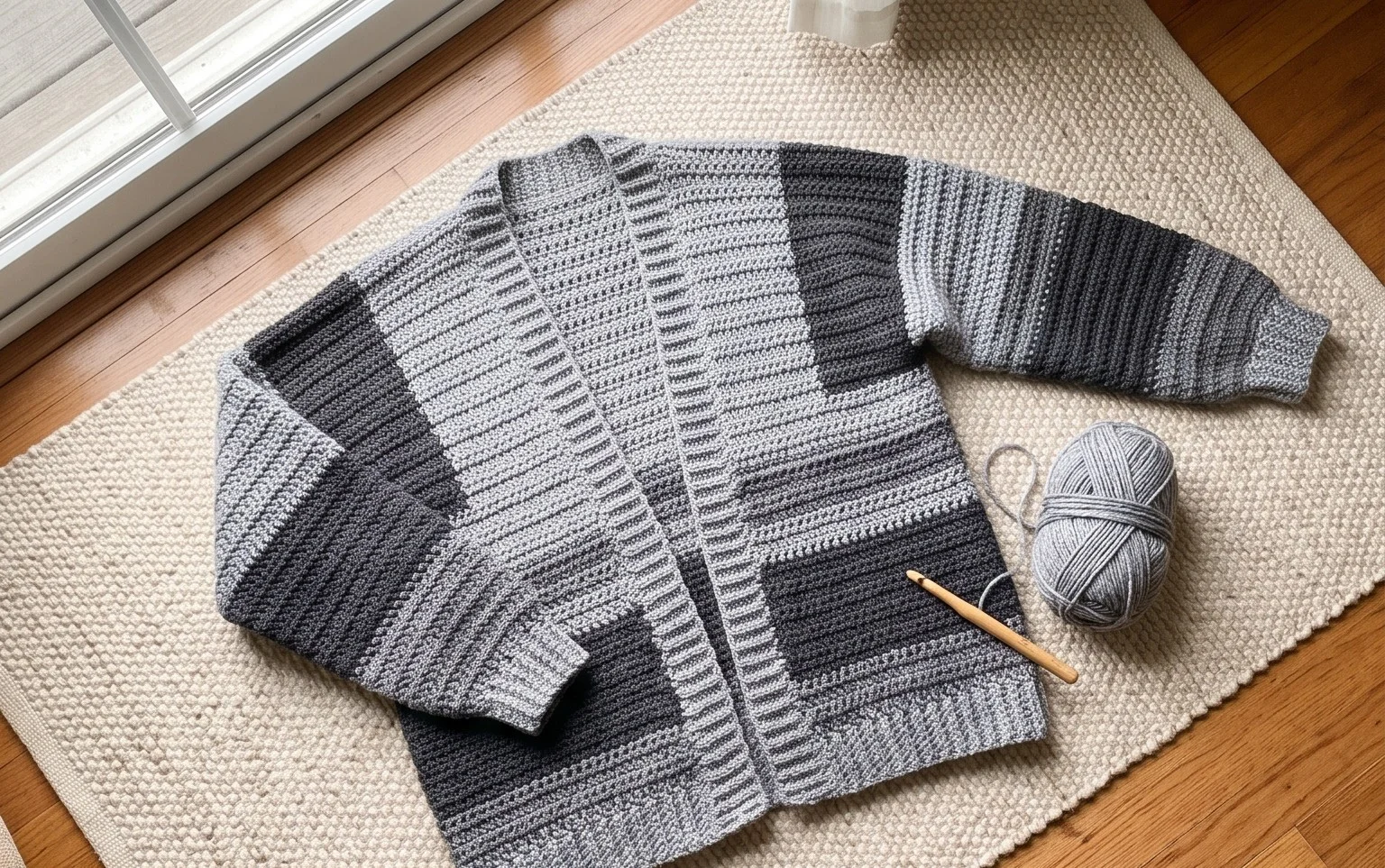
Soft crochet fabric and canyon-inspired color give this little cardigan a cozy, handmade look for a toddler’s everyday layers. The 12/18-month size makes it a thoughtful gift for a growing child, and the finished piece is small enough to feel manageable without rushing through the work. Beginners can follow the stitch counts and shaping at a steady pace, while experienced crocheters can enjoy watching the panels come together into a wearable garment. If you usually make home decor, this project is a nice change of scale: the same calm, repeatable rhythm leads to something a child can wear. The pattern walks you through the main crochet stitches, shaping, and assembly, so you can keep track of each section as you go. Take your time with the edges and finishing, and you’ll have a warm cardigan with a personal touch.
Why You’ll Love This Pattern
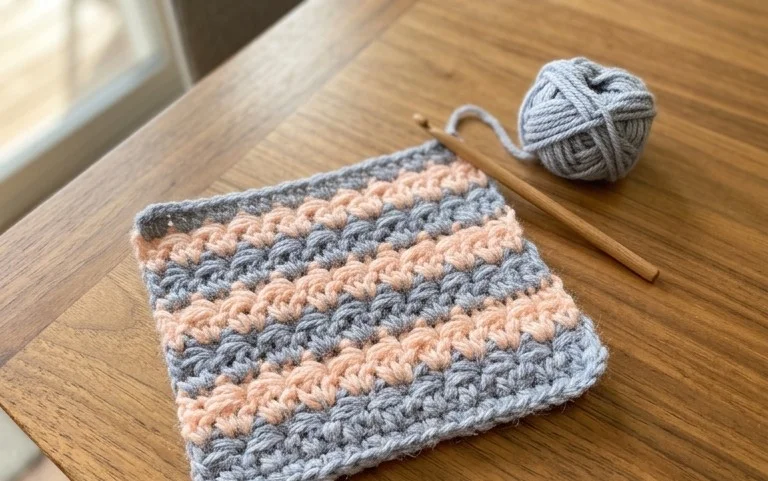
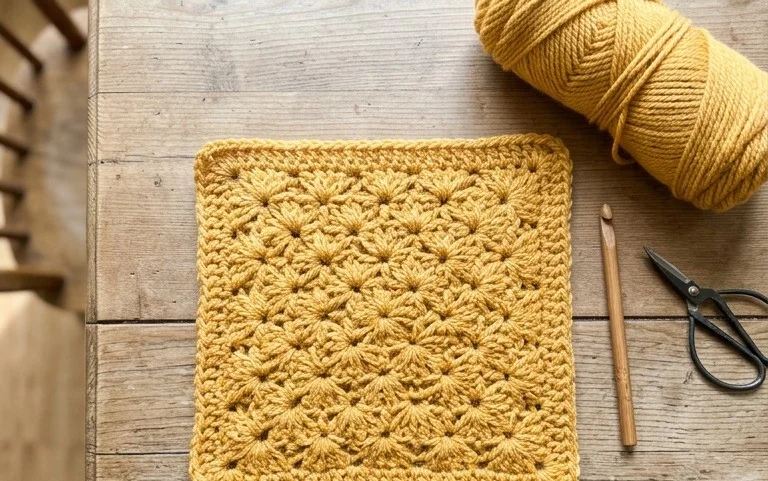
A firm cotton square makes a handy dishcloth for washing dishes, wiping counters, or keeping beside the sink. This pattern uses single crochet throughout, so the fabric is dense and easy to work without complicated shaping. Its straight edges make stitch counting simple, and the finished cloth is small enough to complete in an afternoon. Cotton yarn also makes it practical to wash and reuse.
The rows were easy to keep track of, and the single crochet made a sturdy cloth that feels good in my hand.
— Mara, beginner crocheter
Pattern Overview & Skill Level
- Skill Level: Beginner. You need to chain, single crochet, and turn your work.
- Approximate Time: About 2–3 hours, depending on your pace and tension.
- Construction: A flat square worked back and forth in rows, with no shaping or seaming.
- Finished Dimensions & Sizing: About 10 × 10 in (25.5 × 25.5 cm) after washing and drying flat. Gauge is 12 single crochet stitches and 14 rows per 4 in (10 cm). Gauge matters less for a dishcloth than for a fitted item, but it affects the finished size and yarn use.
Materials & Supplies Needed
- Yarn: About 120 yd (110 m) of worsted-weight (#4) 100% cotton yarn. One solid color is enough; a contrasting color can be used for the final row if you prefer.
- Hook: 5.0 mm (US H-8) crochet hook. Use the hook size that gives you a firm, flexible fabric without making your hands work too hard.
- Notions: Tapestry needle for weaving in the starting and finishing tails, and scissors.
- Substitutions: Choose a smooth cotton or cotton-linen blend that can be machine washed. A thinner yarn makes a smaller, lighter cloth; a thicker yarn makes a larger, bulkier cloth and uses more yarn. Acrylic can be used, but it may not absorb water as well as cotton.
Stitch Guide & Abbreviations (US Terms)
- ch = chain.
- sc = single crochet. Insert the hook in the indicated stitch, yarn over, pull up a loop, yarn over, and pull through both loops.
- st(s) = stitch(es).
- rep = repeat.
- RS = right side, the side you choose to show when the cloth is in use.
- WS = wrong side, the opposite face.
- turn = rotate the work so you can crochet back across the previous row.
The turning chain does not count as a stitch in this pattern. Work the first single crochet of each row into the first stitch, not into the turning chain. This keeps the edges even.
Step-by-Step Pattern Instructions
Dishcloth
- Foundation: Ch 31. The extra chain creates the turning space; it does not count as a stitch.
- Row 1 (RS): Sc in the second ch from the hook and in each ch across. Turn. (30 sts)
- Row 2: Ch 1, sc in each st across. Turn. (30 sts)
- Rows 3–34: Rep Row 2, keeping the same number of stitches in every row. Turn at the end of each row. (30 sts per row)
After Row 34, check that the fabric is close to square. If your personal tension differs from the stated gauge, the cloth may be a little wider or narrower; for this simple pattern, matching the row count is more important than forcing the fabric to a particular measurement.
Finishing
Fasten off, leaving a tail long enough to weave in comfortably. Thread the tail onto a tapestry needle and weave it through several stitches on the wrong side. Change direction once so the end is less likely to work loose. Weave in the starting tail the same way, then trim any excess. Wash and dry the cloth according to the yarn label before using it.
Care & Washing Instructions
- For 100% cotton yarn, machine wash with similar colors in warm water, up to 40°C (104°F), unless the yarn label gives different instructions.
- Dry flat or tumble dry on low if the yarn label allows it; reshape the square while it is damp.
- Block lightly by smoothing the damp cloth to about 10 × 10 in (25.5 × 25.5 cm); follow the label if your yarn is a blend or its fiber content is unknown.
Pro Tips & Common Mistakes to Avoid
- Keep your chain and row tension relaxed. A very tight foundation chain can pull the bottom edge inward; if yours looks shorter than the top edge, remake it with a larger hook just for the chain.
- Count the 30 stitches after every row, especially near the edges. Skipping the first stitch or crocheting into the turning chain can gradually change the cloth’s width.
- Weave the yarn tails through the back of several stitches, then change direction before trimming. A short tail pulled through only one row may come loose during washing.
- To make the cloth wider, add chains to the foundation and work the same number of single crochets in each row; to make it longer, add rows. Both changes use more yarn, so keep extra cotton on hand and check that the finished cloth remains easy to handle.
Frequently Asked Questions
Can I use a different yarn fiber?
Yes. Cotton is a good choice because it absorbs water and tolerates frequent washing. A cotton-linen blend can also work. Acrylic is washable, but the cloth may feel less absorbent, and a different yarn thickness will change the finished dimensions.
How can I make the dishcloth smaller or larger?
For a narrower cloth, start with fewer chains, making sure the foundation gives you the width you want. For a wider cloth, add chains. Add or remove rows to adjust the length. Keep an even number of stitches across every row and allow for extra yarn when increasing either dimension.
Is this pattern suitable for a first crochet project?
Yes. It uses only chains and single crochet in straight rows, with no increases, decreases, or joining. Practicing even tension and counting each row will help keep the edges straight.
May I sell dishcloths made from this pattern?
Check the designer’s terms before selling finished items, and follow any credit or small-business requirements they state. This guide does not grant permission to reproduce or redistribute a designer’s pattern.
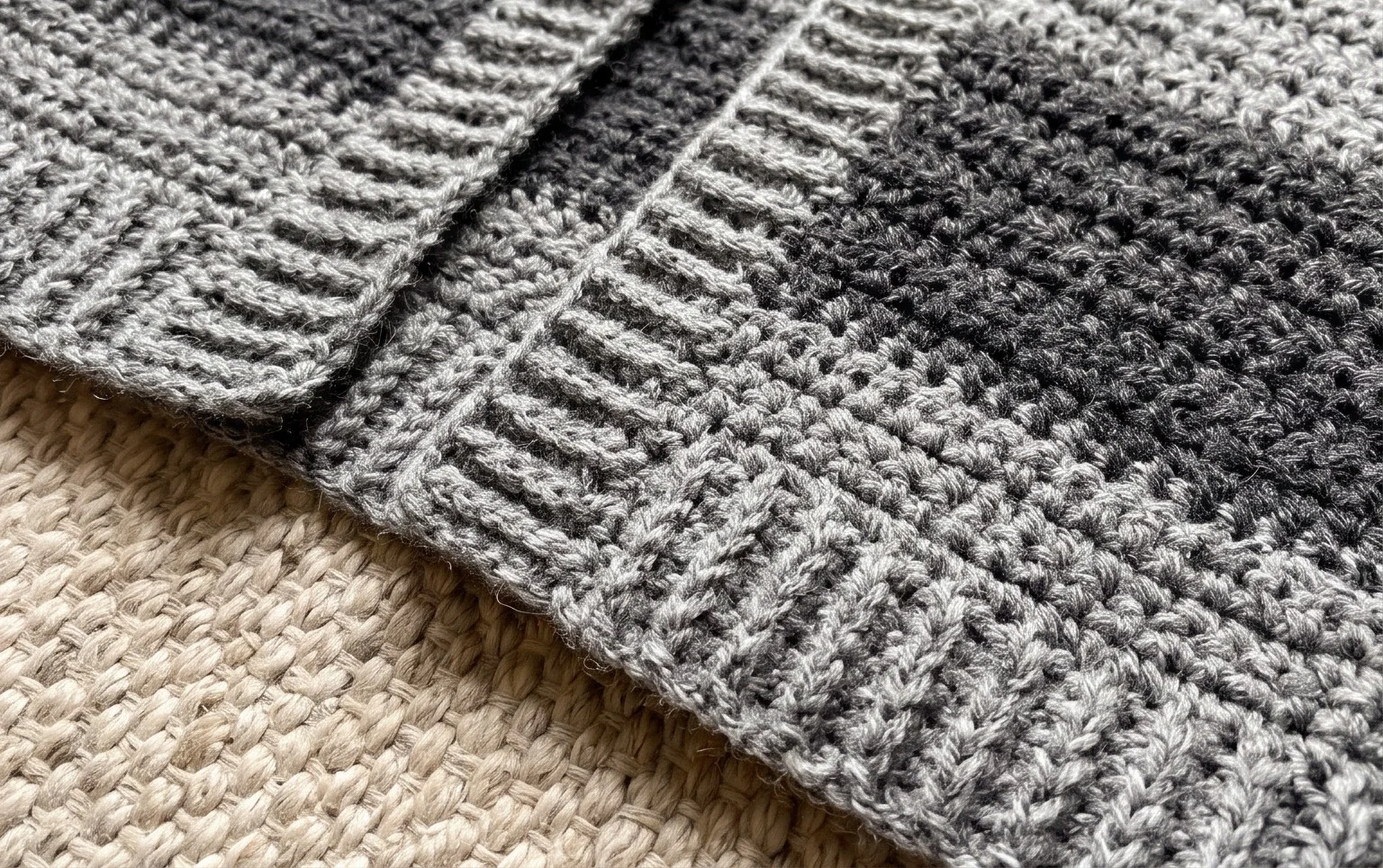
Seeing the finished cardigan take shape is a lovely reward for all those steady rows, and the small toddler size makes each detail easy to appreciate. You can give the piece a different feel by choosing a second color palette, from muted desert shades to soft blues. Before gifting or dressing your little one in it, check the finished measurements and weave in every yarn end securely. Share a photo of your completed work on Pinterest or your favorite social media platform so other crocheters can see how your colors turned out. If you enjoyed making this wearable project, explore more free crochet patterns on the blog for your next afternoon of stitching.