Easy Wheat Stitch Ripple Blanket Free Crochet Pattern
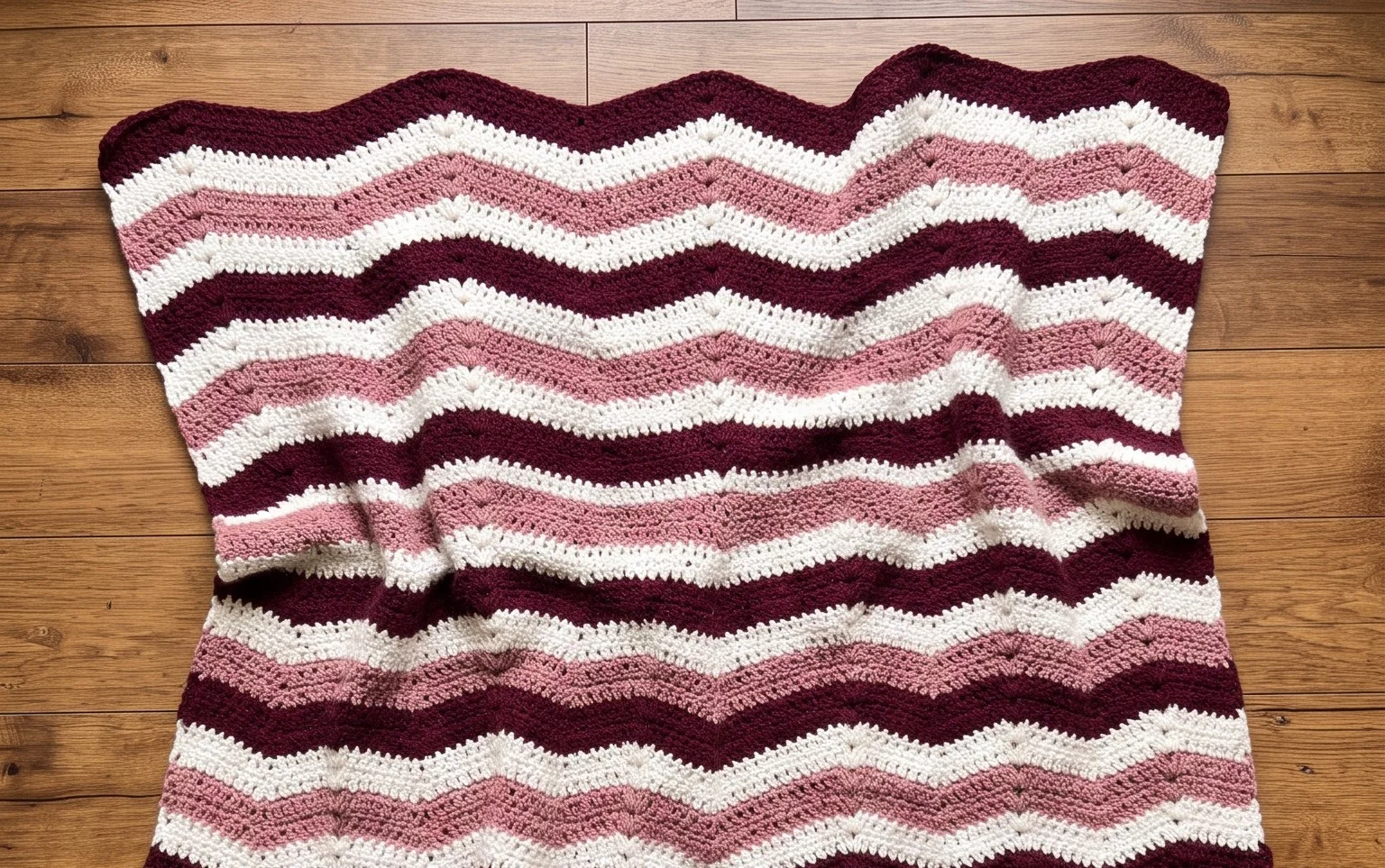
The raised wheat stitch gives this ripple blanket a soft, pebbled texture, while the changing heights of the rows create gentle waves across the fabric. It has a cozy drape for a sofa or reading chair and works well as a thoughtful handmade gift for a new home or a baby shower. Beginners can take their time learning the stitch pattern, and experienced crocheters can enjoy watching the repeating ripples grow. The wheat stitch adds texture without complicated color changes, so a single yarn shade lets the stitch pattern stand out. In this pattern, you’ll learn how the stitch repeat works with the ripple shaping, how to keep the edges even, and how to make a neat finish. Choose a yarn you enjoy working with, settle in for a few rows, and the blanket’s rhythm soon becomes familiar.
Why You’ll Love This Pattern
This cotton crochet dishcloth is a useful first project for practicing even single crochet rows. Its simple rectangle has no shaping to track, and the same stitch count repeats from beginning to end. The finished cloth measures about 6½ by 6¾ inches, a handy size for wiping counters or washing dishes.
One ball of worsted-weight cotton is enough for the cloth, so it is also a practical way to use a leftover skein. Cotton absorbs water and tolerates frequent washing; avoid acrylic yarn, which is less absorbent and can soften or warp with heat. The short rows make it easy to stop and resume without losing your place.
The rows were easy to count, and the cotton made a firm cloth that feels comfortable in my hand. I finished it in an evening.
— Maria, beginning crocheter
Pattern Overview & Skill Level
- Skill Level: Beginner. You need to chain and make single crochet stitches.
- Approximate Time: About 2–3 hours, depending on your pace and how often you check your stitch count.
- Construction: Work a flat rectangle in turned rows, then weave in the starting and ending tails. There is no seam or separate edging.
- Finished Dimensions & Sizing: About 6½ inches wide by 6¾ inches tall after washing and drying flat. Measurements may vary with your tension and yarn.
Materials & Supplies Needed
- Yarn: About 65 yards of worsted-weight (#4) 100% cotton yarn, in one color. Cotton gives the cloth absorbency and holds up to repeated washing.
- Hook: 4.5 mm / 7 hook. Check your fabric as you work; the stitches should be close enough to make a sturdy cloth without feeling stiff.
- Notions: Tapestry needle for weaving in ends, scissors, ruler or tape measure, and one stitch marker to mark the first stitch of each row if helpful.
- Substitutions: Worsted-weight cotton in another color or brand is suitable. A cotton-linen blend may feel slightly less soft and can drape differently. If you use a different yarn weight, the cloth’s dimensions and yardage will change; make a gauge swatch before starting.
Stitch Guide & Abbreviations (US Terms)
- ch: Chain. Yarn over and pull through the loop on the hook.
- sc: Single crochet. Insert the hook in the indicated stitch, yarn over and pull up a loop, yarn over and pull through both loops.
- st(s): Stitch or stitches.
- rep: Repeat the stated sequence.
- FO: Fasten off by cutting the yarn and pulling the tail through the final loop.
For this pattern, the turning chain does not count as a stitch. After turning, work the first single crochet into the first stitch of the previous row. The special stitch is the ordinary single crochet, worked once into each stitch across.
Step-by-Step Pattern Instructions
Dishcloth
Foundation: Ch 27. Keep the chain relaxed so the lower edge does not pull in. If your chains are tight, use a slightly larger hook just for the foundation, then switch back to the 4.5 mm hook.
Row 1: Sc in the second ch from the hook and in each ch across. Turn. (26 sts)
Rows 2–30: Ch 1, sc in each st across. Turn. (26 sts per row)
At the end of Row 30, do not turn. Check that the rectangle is close to 6½ inches wide and 6¾ inches tall. If your gauge differs, the cloth may still be useful, but its final size will vary.
Finishing: FO, leaving a tail about 6 inches long. Thread the tail onto a tapestry needle and weave it through the backs of several stitches. Change direction once so the end is secure, then trim the excess. Weave in the foundation tail the same way. Wet-block the cloth by washing it, pressing out water without twisting, and laying it flat to dry.
Care & Washing Instructions
- Wash cotton yarn in cool or warm water, up to about 40°C / 104°F, with similar colors; follow the yarn label if it gives different directions.
- Dry flat for the neatest shape, or tumble dry on low only if the yarn label allows it.
- While damp, smooth the edges and corners back into a rectangle; cotton can relax after washing, so avoid stretching it hard.
Pro Tips & Common Mistakes to Avoid
- Keep your tension steady, especially along the foundation chain. If that edge is much tighter than the rest, the cloth will taper toward the bottom.
- Count the 26 stitches at the end of every row. A stitch marker in the first stitch can help prevent accidentally skipping the last stitch near the turning chain.
- Weave each tail through the backs of stitches rather than across the front. Change direction once, and leave the fabric unstretched while securing the end.
- To make the cloth wider, add chains to the foundation; each additional chain adds one stitch. For extra length, add rows. Larger dimensions use more yarn, so keep an extra ball or partial skein available.
Frequently Asked Questions
Can I use acrylic yarn instead of cotton?
You can, but acrylic is less absorbent and may not work as well for dishwashing or wiping wet surfaces. Cotton is the recommended choice for a practical, washable cloth.
How can I make the dishcloth smaller or larger?
Change the foundation chain for the width and the number of rows for the height. Keep the foundation chain count plus the turning chain in mind: this pattern begins with 27 chains and makes 26 stitches in each row. Changing yarn weight or hook size also changes the finished measurements.
Is this pattern suitable for a first crochet project?
Yes. It uses chain and single crochet in straight rows, with no shaping or joining. Practice keeping the edges even, and count each row to catch missed stitches early.
May I sell dishcloths made from this pattern?
Check the designer’s pattern terms before selling finished items, and follow any requirements for credit or limits on commercial use. This pattern text does not grant permission to reproduce or redistribute the instructions.
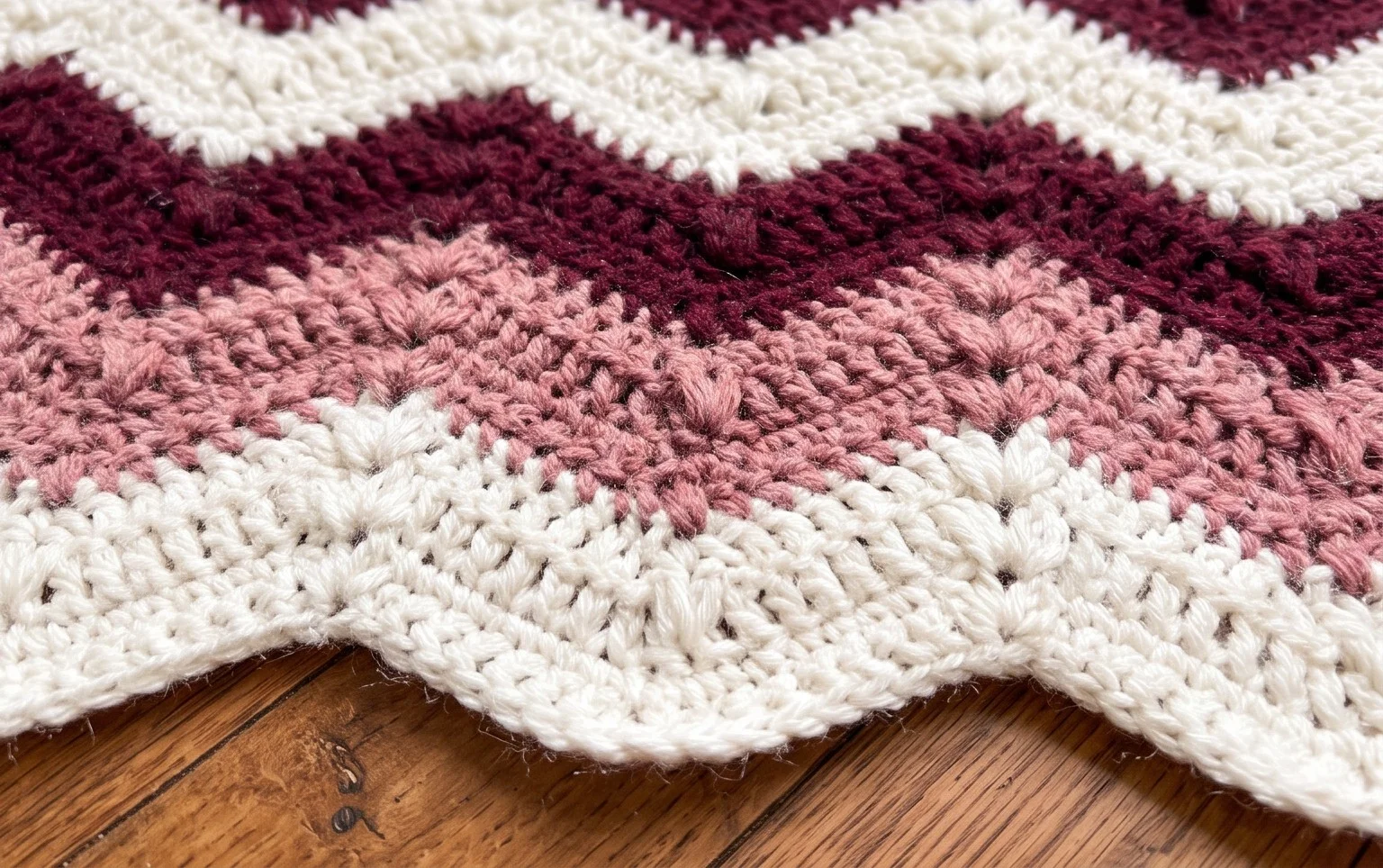
Once the last row is finished and the ends are woven in, you’ll have a textured blanket with soft, steady ripples that feels right at home draped over a chair or folded at the foot of a bed. For a simple variation, work the same pattern in two colors and change shades every few rows to make the waves more noticeable. Take a photo in natural light so the wheat stitch texture shows, then share it on Pinterest or your favorite social media page. I’d love to see the colors you choose. When you’re ready for another project, explore more free crochet patterns on the blog, including blankets and smaller makes for your yarn basket.