Easy Crochet Twist Headband: Free Pattern for Beginners
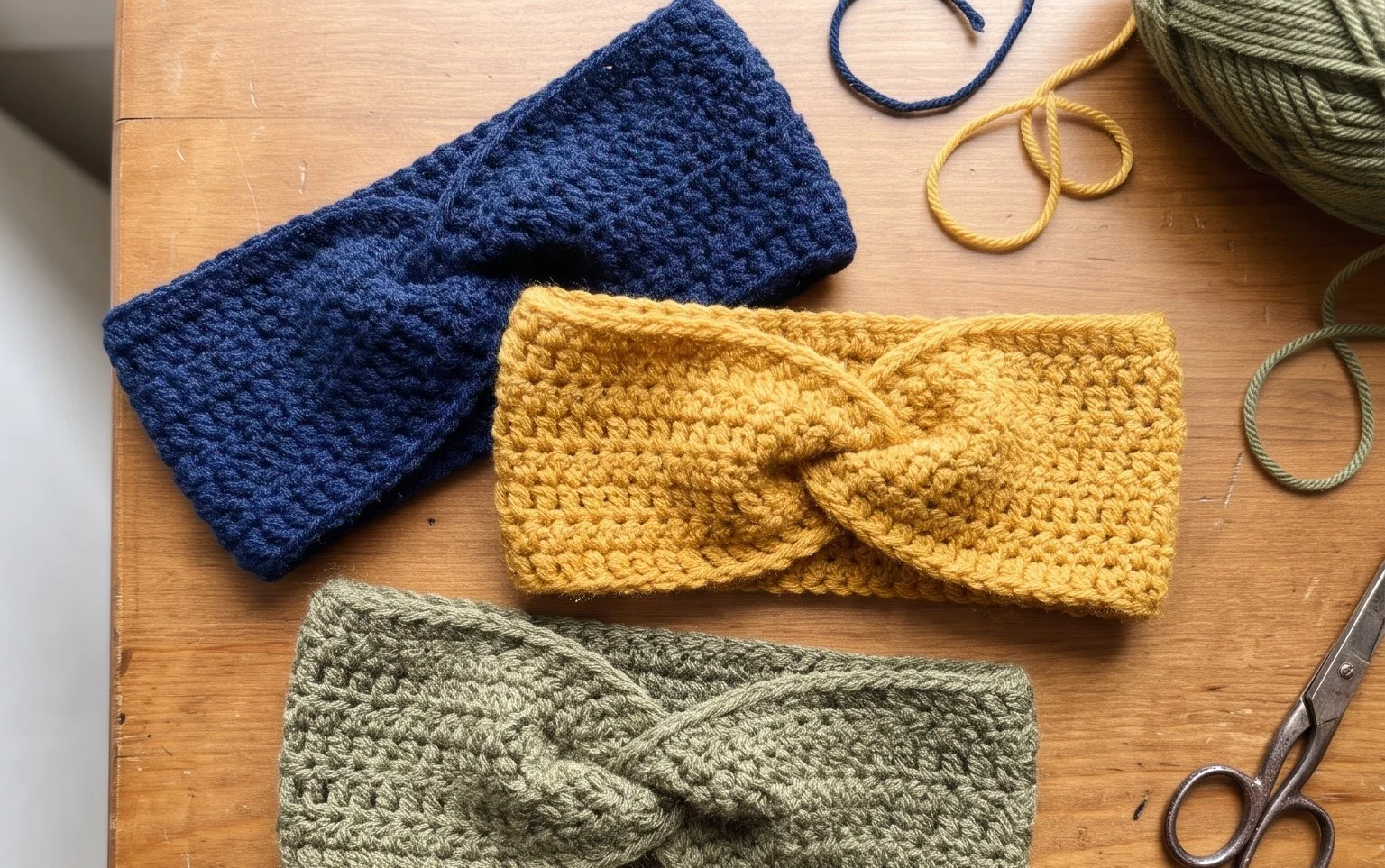
A soft ribbed band with a neat twist at the front adds warmth without covering your whole head. This crochet headband sits close to the ears, feels comfortable under a coat hood, and makes a useful handmade gift when colder weather arrives. The simple shape suits beginners who are ready to practice even rows, as well as experienced crocheters who want a satisfying project they can finish in a short sitting. You’ll learn how to make a stretchy fabric with a straightforward stitch pattern and join the ends to create the twist. The construction is easy to follow, and the finished accessory is small enough to take along in your project bag. Choose a color that matches your winter coat, or use a soft shade that makes the texture stand out.
Why You’ll Love This Pattern
A firm cotton dishcloth with raised horizontal ridges is useful at the sink and simple to make with one hook size and a single stitch. The back-loop rows add a little texture without changing the stitch count, so you can focus on an even fabric rather than a complicated repeat.
The square uses about 90 yards of worsted-weight cotton, making it a practical project for a leftover ball. It takes roughly two to three hours, depending on your pace, and the plain shape is manageable for a first crochet project. Cotton is absorbent and can be washed often, which makes the finished cloth handy for everyday kitchen cleaning.
The rows were easy to keep track of, and the ridges give the cloth a nice grip when I wash dishes.
— Maria, home crocheter
Pattern Overview & Skill Level
- Skill Level: Beginner. You need to know how to chain and single crochet.
- Approximate Time: Two to three hours.
- Construction: Crochet a flat square in rows, turning at the end of each row. Work the first row in regular single crochet, then work through the back loop only for the ridged texture.
- Finished Dimensions & Sizing: About 8 × 8 in (20 × 20 cm), after washing and drying flat. Gauge is 4.5 single crochet stitches and 4.5 rows per 1 in (2.5 cm).
Materials & Supplies Needed
- Yarn: About 90 yd (82 m) of worsted-weight cotton yarn, weight category #4. Use one color or combine small amounts of cotton in different colors.
- Hook: 5.0 mm (US H-8) crochet hook. If your fabric is loose or the cloth measures larger than the stated gauge, try a 4.5 mm hook. If it is tight or smaller, try a 5.5 mm hook.
- Notions: Tapestry needle for weaving in the ends, scissors, ruler or measuring tape, and a removable stitch marker to mark the first stitch if needed.
- Substitutions: A similarly sized cotton or cotton-blend yarn can replace the cotton. Check the ball band and make a gauge swatch, since yarn thickness changes the finished size and yardage. Acrylic may feel less absorbent and can be more prone to holding odors, so cotton is the better choice for a dishcloth.
Stitch Guide & Abbreviations (US Terms)
- ch: Chain.
- sc: Single crochet. Insert the hook into the stitch, yarn over, pull up a loop, yarn over, then pull through both loops on the hook.
- BLO: Back loop only. Work into the loop farthest from you at the top of the stitch, leaving the front loop unworked. This creates the ridges.
- st(s): Stitch or stitches.
- rep: Repeat.
The turning chain does not count as a stitch. Work the first single crochet of each row into the first stitch of the row below, not into the turning chain.
Step-by-Step Pattern Instructions
Dishcloth
- Foundation: Ch 37.
- Row 1: Sc in the second ch from the hook and in each ch across. Turn. (36 sts)
- Row 2: Ch 1, sc in BLO across. Turn. (36 sts)
- Rows 3–36: Rep Row 2. Each row has 36 sc. (36 sts per row)
Finishing
Fasten off after Row 36, leaving a tail about 6 in (15 cm) long. Thread the tail onto a tapestry needle and weave it through several stitches on the wrong side. Change direction and weave through a few more stitches to help secure the end, then trim the excess. Weave in the foundation tail the same way.
Measure the cloth before washing. If your gauge is close to 4.5 stitches and 4.5 rows per inch, it should measure about 8 in (20 cm) square. A small difference is normal with cotton, which may relax slightly after washing.
Care & Washing Instructions
- Wash cotton in a machine or by hand with warm water, up to 40°C (104°F), and a mild detergent; follow the yarn label if it gives different care directions.
- Reshape the cloth and dry it flat, or tumble dry on low if the yarn label allows it.
- If the edges curl after washing, smooth the cloth into a square while damp and let it finish drying flat; avoid stretching the stitches.
Pro Tips & Common Mistakes to Avoid
- Keep the fabric even: Cotton does not stretch as much as many acrylic yarns. If your hook catches or the rows feel stiff, loosen your grip or try a larger hook. A flexible cloth should fold without feeling board-like.
- Count every row: Check for 36 stitches before turning. A stitch marker in the first stitch can help you find the row edge; move it up as you work so the turning chain does not get mistaken for a stitch.
- Secure ends neatly: Weave each tail through the backs of several stitches, then change direction. Avoid pulling the yarn tight, which can pucker the cloth, and do not leave short tails that may work loose in the wash.
- Adjust size with care: To make a wider cloth, add chains to the foundation and work the same number of sc in Row 1. Add rows for extra length. Each added inch uses more yarn, so allow roughly 10–15 extra yards for every additional inch in both width and length.
Frequently Asked Questions
Can I use a different yarn weight?
Yes, but the finished cloth will change size and texture. A finer yarn makes a smaller, lighter cloth; a thicker yarn makes a larger, heavier one. Use a hook recommended for your yarn and check the fabric for absorbency and flexibility before continuing.
How can I make the dishcloth larger or smaller?
For width, change the foundation chain, then work one sc into each chain after the second chain from the hook. For length, work more or fewer rows. Keep the edges straight by checking that every row has the same stitch count.
Is this pattern suitable for a beginner?
Yes. It uses chain and single crochet, with one simple change after the first row: work into the back loop only. If the sides look uneven, count the stitches at the end of each row and make sure the first stitch is worked into the first stitch below.
May I sell dishcloths made from this pattern?
Check the designer’s terms before selling finished items, and follow any credit or sales conditions they list. This guide does not grant permission to reproduce or sell the pattern instructions themselves.
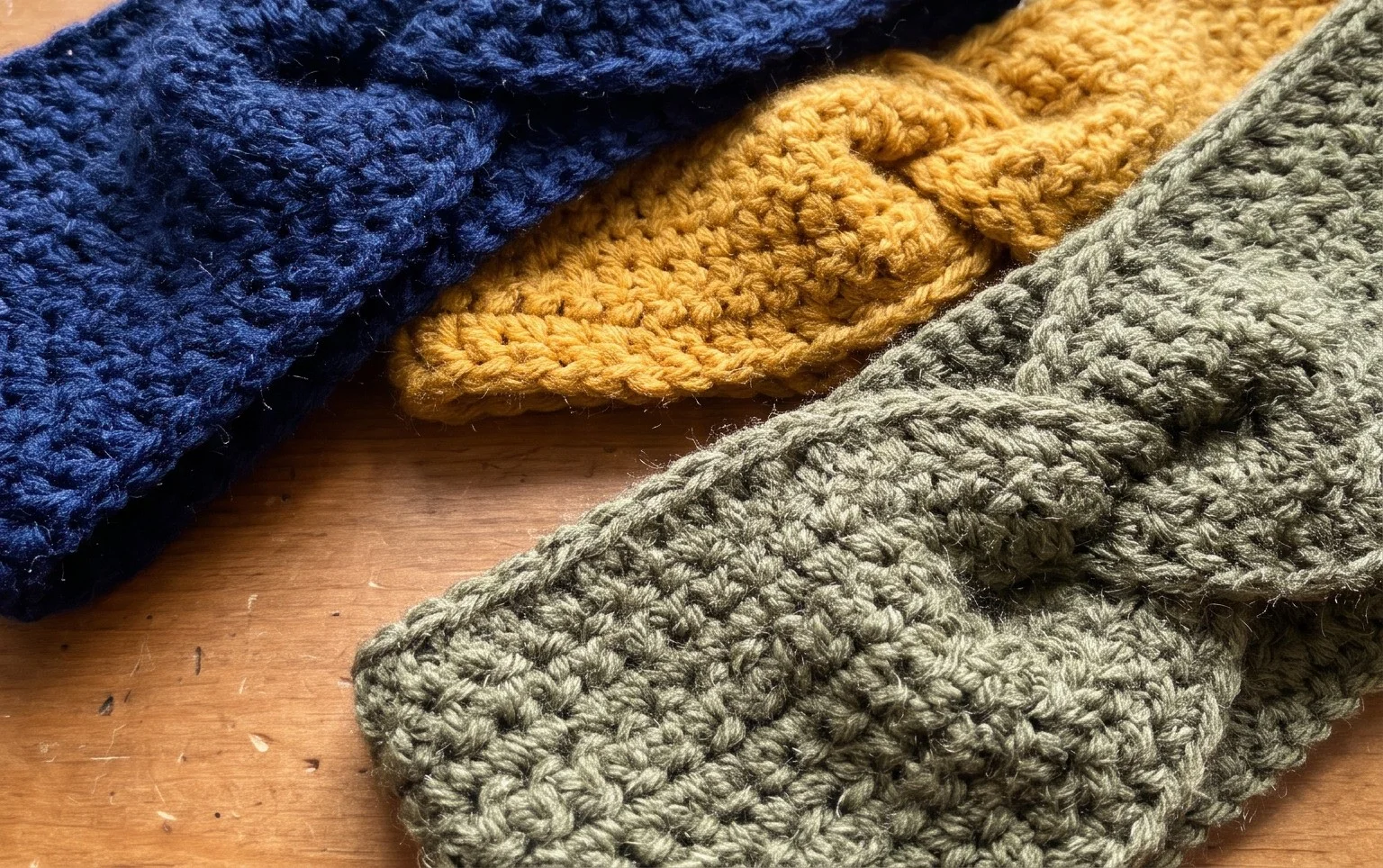
Your finished headband has a cozy ribbed texture and a tidy twist that gives a simple crochet project a polished look. For a quick variation, try a second color or adjust the width to make a narrower band for a lighter fit. A soft wool blend adds warmth, while an acrylic yarn is easy to care for and comes in plenty of colors. If you make one, share a photo on Pinterest or your favorite social media platform; it’s always nice to see the colors and yarns other makers choose. Then browse the blog for more free crochet patterns, including small accessories you can finish and gift in a weekend.