Easy Crochet Quilt Blocks: Free Beginner Pattern Guide
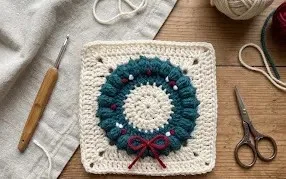
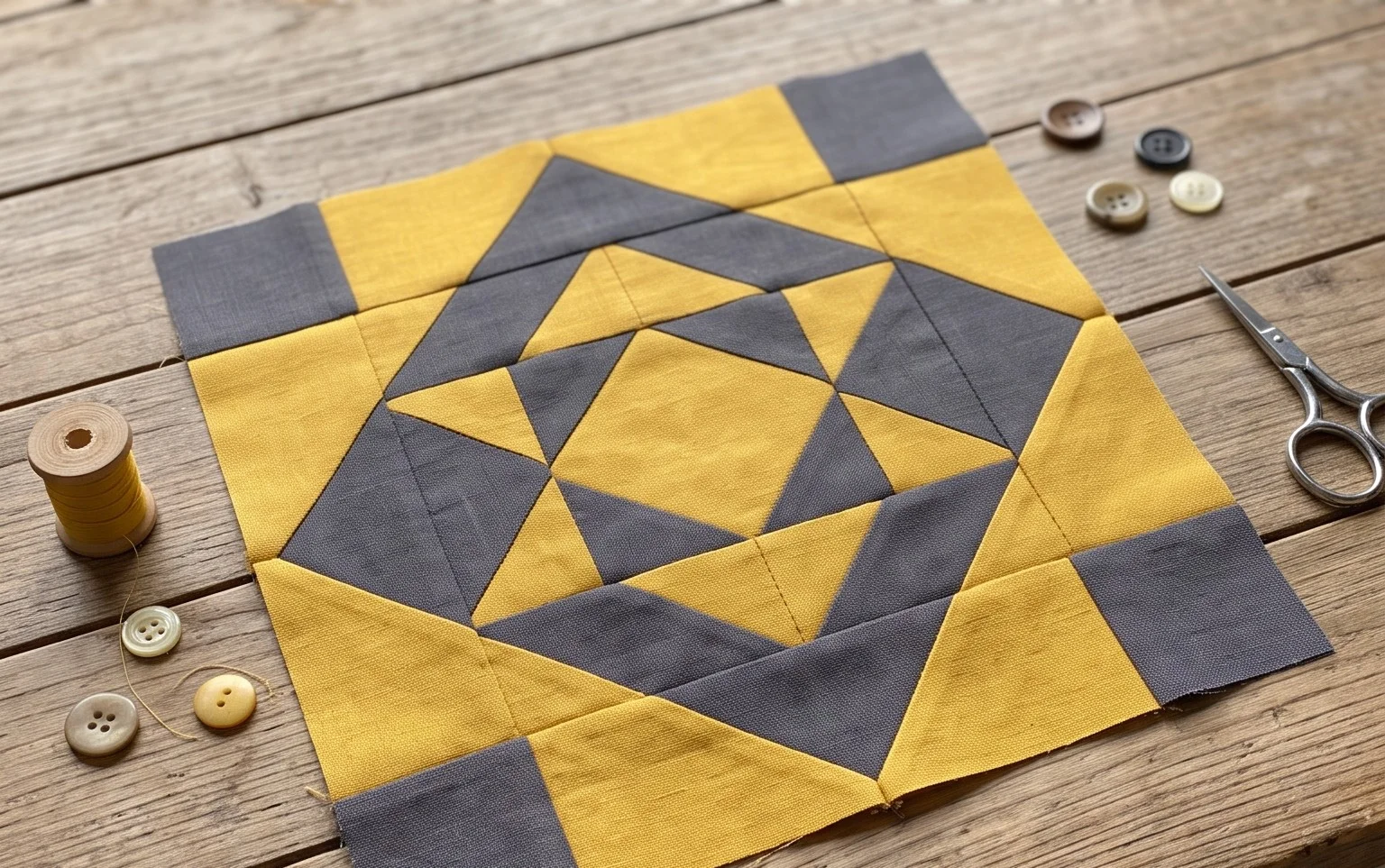
Soft cotton yarn and neat rows of single crochet give these quilt blocks a firm, lightly textured feel. Each square is small enough to finish in an evening, then you can sew several together for a cozy throw, cushion cover, or colorful wall hanging. This project suits beginners who want to practice steady tension, as well as gift makers and home decor fans who enjoy building something one piece at a time. A simple stitch keeps the fabric even, while changing colors between blocks gives the finished patchwork its own character. You’ll learn how to work the squares flat and prepare their edges for joining, so the pieces sit neatly together. Make a few in matching shades or let every block use a different color from your yarn basket.
Why You’ll Love This Pattern
A firm cotton fabric and a simple single crochet stitch make this washcloth useful for everyday kitchen or bathroom jobs. The pattern is worked flat in rows, so you can see how the stitch count stays steady without shaping or joining rounds.
This is a good first project for practicing even tension and turning chains. One ball of worsted cotton is usually enough, and the finished cloth is small enough to complete in an evening. Cotton also absorbs water well and holds up to regular washing. Make a set with different colors if you want to keep cloths for separate uses.
The rows were easy to follow, and the cotton made a sturdy cloth that washed well. I used a marker to keep track of my turning chain.
— Jamie, beginner crocheter
Pattern Overview & Skill Level
- Skill Level: Beginner. You need to chain and single crochet in rows.
- Approximate Time: About 2–3 hours, depending on your pace and tension.
- Construction: A flat rectangle worked back and forth in single crochet, with no border or seams.
- Finished Dimensions & Sizing: Approximately 7.25 × 7.3 in (18.5 × 18.5 cm) after washing and drying flat. Cotton and individual tension can change the final measurements.
Materials & Supplies Needed
- Yarn: About 90 yd (82 m) of worsted-weight (#4) 100% cotton yarn. One solid color is enough; use a second color only if you want to change colors between rows.
- Hook Size: 5.0 mm / H-8 crochet hook.
- Notions: Scissors, a tapestry needle for weaving in the tail, and an optional stitch marker to identify the first stitch of each row.
- Gauge: 16 single crochet stitches and 18 rows measure about 4 in (10 cm) after washing and drying flat. Adjust your hook size if your swatch is much larger or smaller.
- Substitutions: Use another worsted-weight cotton yarn with a similar thickness. A cotton-linen blend may feel slightly less soft, while a cotton-acrylic blend may absorb less water. Avoid fuzzy or stretchy yarn for a cloth that needs to scrub and dry reliably. Different yarns can change the finished size and yardage.
Stitch Guide & Abbreviations (US Terms)
- ch: Chain.
- sc: Single crochet. Insert the hook into the stitch, yarn over, pull up a loop, yarn over, and pull through both loops.
- st / sts: Stitch / stitches.
- rep: Repeat.
- turn: Rotate the work to begin the next row. The turning chain does not count as a stitch in this pattern.
The first single crochet of each row goes into the first stitch, which is directly below the turning chain. Do not work into the turning chain at the end of a row.
Step-by-Step Pattern Instructions
Washcloth
- Foundation: Ch 30. Keep the chain relaxed so the lower edge does not pull in.
- Row 1: Sc in the second ch from the hook and in each ch across. Turn. (29 sts)
- Rows 2–33: Ch 1, sc in each st across, turn. The ch 1 does not count as a stitch. (29 sts each row)
After Row 33, check that the top edge is close in width to the foundation edge. Fasten off, leaving a tail about 6 in (15 cm) long. Pull the yarn through the final loop to secure it.
Finishing
Thread the tail onto a tapestry needle. Weave it through several stitches on the wrong side, then change direction and pass through a few more stitches so it will stay in place during washing. Weave in the starting tail the same way. Trim the ends close to the fabric without cutting into a stitch.
For a clean finish, wet the cloth with cool or lukewarm water, gently press out excess water in a towel, and lay it flat. Smooth the edges and corners without stretching the fabric. Let it dry fully before using it.
Care & Washing Instructions
- Wash cotton in warm water with regular laundry detergent, following the yarn label; use cool water if the color is likely to bleed.
- Dry flat for the neatest shape, or tumble dry on low if the yarn label allows it.
- While damp, reshape the corners and edges by hand; blocking is optional for this everyday cloth.
Pro Tips & Common Mistakes to Avoid
- Keep your tension relaxed on the foundation chain. If it is much tighter than the first row, the bottom edge will pucker; try chaining with a hook one size larger, then switch to the 5.0 mm hook.
- Count the 29 stitches at the end of each row. A stitch marker in the first stitch can help you spot the final stitch, especially when the turning chain sits close to the edge.
- Do not count the ch 1 as a stitch or work into it on the next row. Doing either can add stitches and make the sides flare outward.
- For a larger cloth, add an even number of chains and work more rows until the fabric is close to square. A wider or taller cloth uses more yarn, so allow extra yardage before starting.
- To keep the edges straight, insert the hook under both top loops of each stitch unless you have a specific reason to work differently. Missing the last stitch is a common cause of a narrowing cloth.
Frequently Asked Questions
Can I use acrylic yarn instead of cotton?
You can, but acrylic generally absorbs less water and may feel different against the skin. Choose a smooth worsted-weight yarn and check its care label. The finished size may change, so compare your gauge with the pattern before making the full cloth.
How can I make the washcloth smaller or larger?
For a smaller cloth, begin with fewer chains and work fewer rows. For a larger cloth, add chains for width and rows for height. Keep the edges square by checking the fabric as you go, and expect a larger cloth to use more yarn.
Is this pattern suitable for a first crochet project?
Yes. It uses only chains and single crochet, with no increases, decreases, or joining. Practice counting each row and look at the top edge of the stitches before inserting the hook so you do not skip the first or last stitch.
May I sell washcloths made from this pattern?
Check the designer’s terms before selling finished items, and follow any rules about credit or commercial use. If you sell the cloth, describe its fiber accurately and provide care instructions based on the yarn label.
Once the last square is finished, you’ll have a tidy stack of cotton blocks ready to become a useful, handmade piece for your home. Try a limited palette of two or three colors for a calm look, or make the blocks larger if you want a quicker route to a blanket. Keep your edges even as you sew the pieces together, and weave in the yarn ends before the project gets too bulky to handle. I’d love to see how your colors come together, so share a photo on Pinterest or social media. Then browse the blog for more free crochet patterns to add to your project list.