Easy Crochet Pot Holder and Basket Free Pattern
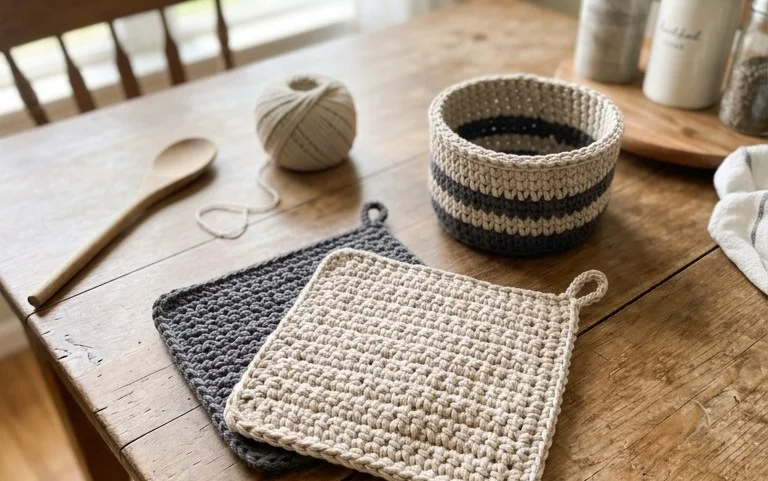
Heavy cotton yarn creates a substantial, heat-safe pad that protects your kitchen counters from hot cast iron skillets or bubbling casserole dishes. This project produces a firm, double-thick fabric that feels dense in your hand and stands up to years of daily kitchen activity. Beginners enjoy the repetitive nature of the stitches, while experienced crafters appreciate how quickly these functional accessories work up for last-minute housewarming gifts. You will learn to use a thermal stitch technique that locks fiber loops together for extra protection. Setting these pads inside a matching handmade basket keeps your workspace tidy and brings a clean, organized look to your home.
Why This Project Is Worth Making
The Classic Crochet Dishcloth provides a satisfying, tactile experience that works up quickly using basic stitches. Because it relies on the durable properties of cotton yarn, this project yields a functional item that withstands frequent washing and scrubbing. Its small size makes it an ideal travel project, fitting easily into a standard handbag or project tote. Using simple back-and-forth rows, you create a dense fabric that maintains its shape even after heavy kitchen use.
I managed to finish three of these during a single weekend while watching television. They wash up perfectly and feel much sturdier than store-bought synthetic options.
— Sarah, home crafter
Pattern Overview & Skill Level
- Skill Level: Beginner
- Approximate Time: 45 to 60 minutes
- Construction: Flat panel worked in rows
- Finished Dimensions: 8 inches by 8 inches
Materials & Supplies Needed
- Yarn: Worsted weight (#4) 100% cotton yarn, approximately 50 yards per cloth. Cotton is essential for its high absorbency and heat resistance.
- Hook Size: 5.0 mm (US H-8) crochet hook. A metal or bamboo hook works well to maintain consistent tension.
- Notions: Tapestry needle for weaving in ends and scissors.
- Yarn Substitutions: You may use a cotton-linen blend for increased scrubbing power. Avoid acrylic yarn, as it lacks the absorbency required for cleaning tasks and may melt if it touches a hot pan.
Stitch Guide & Abbreviations (US Terms)
- ch: chain
- sc: single crochet
- st/sts: stitch/stitches
- turn: turn your work to begin the next row
- yo: yarn over
Step-by-Step Pattern Instructions
Dishcloth Body
- Row 1: Ch 31. Work 1 sc in the second chain from the hook and in each remaining chain across. (30 sts)
- Row 2: Ch 1, turn. Work 1 sc in each st across. (30 sts)
- Rows 3-30: Repeat Row 2 until the piece measures approximately 8 inches in height. Ensure you maintain consistent tension so the edges remain straight. (30 sts)
Finishing
After completing Row 30, fasten off the yarn, leaving a 6-inch tail. Thread this tail onto your tapestry needle and weave the end back and forth through the base of the stitches on the back side of the cloth. Trim any excess yarn. Block the cloth by dampening it with water and pinning it flat on a towel until dry to ensure the edges are perfectly square.
Care & Washing Instructions
- Machine wash in warm water on a gentle cycle with like colors.
- Tumble dry on low heat or lay flat on a drying rack to maintain the shape of the cotton fibers.
- Avoid using fabric softener, as it coats the cotton fibers and reduces the absorbency of the dishcloth.
Pro Tips & Common Mistakes to Avoid
Consistent tension is the most important factor in creating a uniform dishcloth. If your cloth begins to narrow or widen, count your stitches at the end of every row to ensure you have exactly 30 stitches. If you prefer a larger size, you can add chains to your starting row in multiples of two, but remember that you will need more than 50 yards of yarn. Weave in your ends securely, as loose threads are more likely to come undone during the vigorous scrubbing motion of dishwashing.
Frequently Asked Questions
Can I use a different weight of yarn for this pattern?
You can use DK or bulky weight yarn, but you must adjust your starting chain count and hook size. DK yarn will require more chains to reach 8 inches, while bulky yarn will require fewer. Always check your gauge before starting.
Is it okay to sell the items I make from this pattern?
Yes, you are free to sell any finished items you create using this design. Credit to the designer is appreciated but not required.
What if my edges are not perfectly straight?
Crocheters often miss the first or last stitch of a row, causing the work to slant. Using a stitch marker in the first and last stitch of every row helps you identify exactly where to place your hook for the final stitch of each pass.
How can I make the fabric softer?
The texture of cotton yarn softens naturally with repeated washing. If you find the fabric too stiff initially, choose a “soft” or “combed” cotton variety, which undergoes extra processing to remove shorter fibers and create a smoother, more flexible yarn.
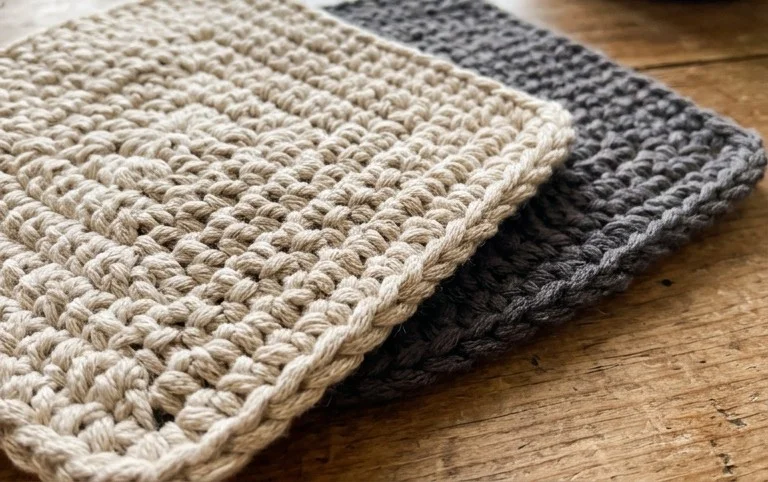
Your new kitchen set brings a touch of handmade warmth to your stove area every time you pull a tray from the oven. You might experiment with variegated yarn to add a subtle pop of color to your counter, or increase the basket size by adding extra foundation rounds to hold more accessories. If you finish these items, upload a photo to social media so others can see your color choices. Explore our full library of free patterns on the blog for more home projects that balance simple construction with everyday utility.